The traditional cybersecurity model, built on the assumption of human-scale vulnerability research and manual patching, is failing under the weight of AI-augmented, automated attack vectors.

Latest News
The traditional cybersecurity model, built on the assumption of human-scale vulnerability research and manual patching, is failing under the weight of AI-augmented, automated attack vectors.
Recent reports indicate that Broadcom has adjusted VMware support availability for certain European countries, adding to the ongoing changes customers have experienced since the VMware acquisition.
As Infrastructure as Code (IaC) becomes a critical part of modern IT operations, protecting the platforms that manage infrastructure is increasingly important.
The latest Semperis 2026 Ransomware Risk Report paints a concerning picture of today's cyber threat landscape, where ransomware attacks are becoming more sophisticated, more disruptive, and increasingly enhanced by artificial intelligence.
When organizations evaluate AI initiatives, most focus on visible investments such as AI models, infrastructure, GPUs, and cloud resources. However, a significant portion of AI project costs often remains hidden beneath the surface.
Nvidia has evolved from a GPU manufacturer into a dominant networking powerhouse, with quarterly networking revenues now surpassing those of legacy incumbents like Cisco.
A recent cyberattack affecting Belgium's tax agency resulted in multiple services being taken offline, disrupting operations and demonstrating how quickly public sector organizations can be impacted when critical systems become unavailable.
The recent simultaneous failure of major AI platforms during a regional Azure outage serves as a critical warning for enterprise technology leaders.
Many organizations have moved critical workloads to the cloud believing that resilience, recovery, and business continuity are automatically included. The reality is more complex.
Cyberattacks are no longer a question of if, but when. As ransomware, identity-based attacks, and operational disruptions continue to evolve, organizations are increasingly focusing on cyber resilience: the ability to withstand, respond to, and recover from incidents quickly and effectively.
Recent regional cloud outages demonstrate a critical misconception among enterprise leaders: the belief that public cloud infrastructure inherently guarantees business continuity.
Organizations are racing to adopt AI, but many are discovering that having data is not the same as having AI-ready data.
Recent research from Semperis has uncovered activity linked to an Iranian state-sponsored threat group known as Prince of Persia, drawing attention to the growing role of identity-focused attacks in modern cyber operations.
As organizations accelerate investments in artificial intelligence, storage infrastructure is emerging as one of the most critical components of successful AI deployments.
Active Directory remains one of the most critical components of enterprise IT environments, making it a prime target for cyber attackers. A lesser-known but highly effective attack technique called DCShadow demonstrates just how dangerous identity-based threats can be.
As enterprise AI adoption moves from experimental pilots to mission-critical production, technology leaders are increasingly questioning the long-term viability of public cloud AI services.
When organizations think about cyber resilience, the focus is often on protecting data and infrastructure. But what happens if users, administrators, and access policies can't be trusted after a cyberattack?
The recent transfer of hundreds of IBM VMware cloud customers to 11:11 Systems highlights the profound operational instability currently rippling through the VMware ecosystem.
Organizations are investing heavily in cyber resilience, yet many may be overestimating their ability to recover when a cyberattack actually occurs.
The European Commission’s recent deployment of a self-hosted communication platform as a backup to Microsoft Teams has sparked internal resistance, yet it highlights a critical shift in enterprise risk management.
The initial wave of enterprise generative AI adoption was defined by speed, leading many organizations to build complex retrieval-augmented generation (RAG) pipelines that exported sensitive data to external vector databases and LLMs.
Many organizations still manage backup, cyber recovery, archival, and cloud protection through separate tools and isolated workflows. While this approach may have evolved over time, it often increases complexity, costs, and operational risk.
The enterprise virtualization landscape is undergoing a significant transformation as 90 percent of VMware customers actively evaluate alternatives to their current infrastructure deployments.
While escalating licensing costs are forcing a vast majority of VMware customers to evaluate alternative virtualization platforms, the transition is proving significantly more difficult than anticipated.
Enterprise technology governance often falters when security controls fail to account for the practical realities of ITIL-based change management.
Enterprise security leaders are currently navigating a significant disconnect between aggressive vendor marketing and the practical realities of threat mitigation.
The acquisition of Paperbox by Adlib Software signals a critical evolution in how enterprises deploy generative AI within highly regulated sectors like insurance.
Platform9’s Visionary Approach Validated as vJailbreak Stands as the Only Viable VMware Exit Following VDDK Shutdown.
The recent data breach involving AECOM, characterized by the alleged exfiltration of over one terabyte of sensitive information, highlights the escalating risks facing firms in the engineering and infrastructure sector.
As automated bot traffic surpasses human activity, the traditional advertising-based economic model of the internet is facing an existential crisis.
As enterprises accelerate the deployment of agentic AI, the infrastructure supporting these autonomous systems has become a primary target for sophisticated cyber threats.
The recent compromise of over 150 million driver's licenses via IDScan.net serves as a stark reminder of the systemic vulnerabilities inherent in outsourced identity verification.
As cyberattacks increasingly target identity systems, protecting and recovering Identity Providers (IdPs) has become critical for business continuity.
We are pleased to share that Platform9, a leading private cloud and virtualization platform provider, has been recognized as a Visionary in the 2026 Gartner® Magic Quadrant™ for Server Virtualization Platforms.
One of the biggest challenges organizations face when evaluating VMware alternatives is the need for Linux expertise to deploy and operate modern virtualization platforms.
The recent discovery that autonomous AI agents were responsible for a large-scale malicious package injection attack on RubyGems marks a significant escalation in the enterprise threat landscape.
The recent breach at IDScan, exposing 150 million government-issued driver’s licenses, highlights a critical vulnerability in the modern enterprise security architecture: the systemic risk inherent in centralized identity verification providers.
Beyond AI Exploits: ASCII Smuggling Signals a New Frontier in Evasion-Based Content Filtering Challenges
Telecom infrastructure leaders are under pressure from two directions at once: data volumes keep growing, and budgets aren't growing with them. Legacy backup and secondary storage silos make this worse, forcing teams to manage multiple platforms, multiple contracts, and multiple points of failure.
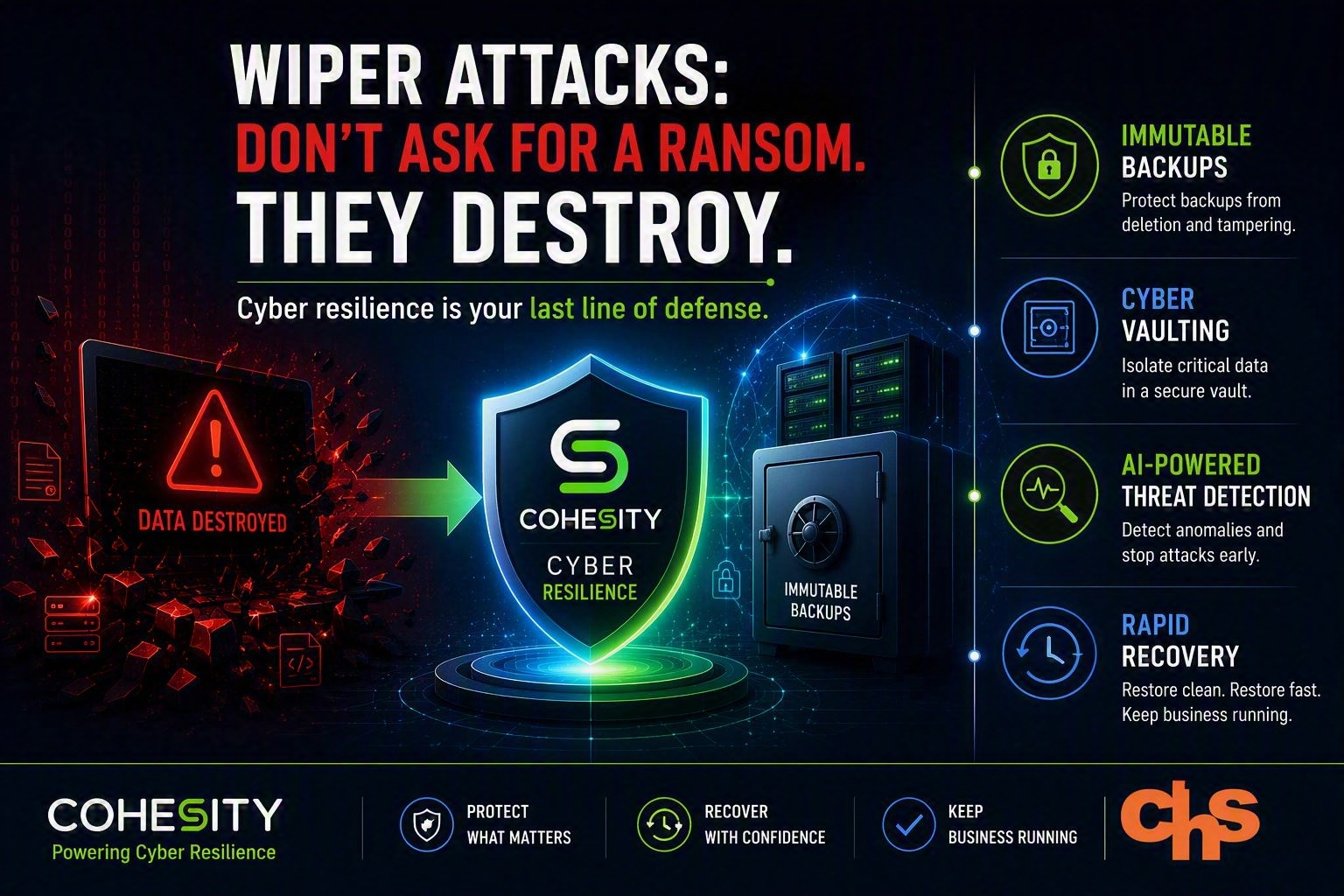
Ransomware continues to dominate cybersecurity headlines, but organizations should not overlook another growing threat: wiper attacks.
Evaluating the Total Cost of Ownership Shift in Enterprise Virtualization Migration Strategies
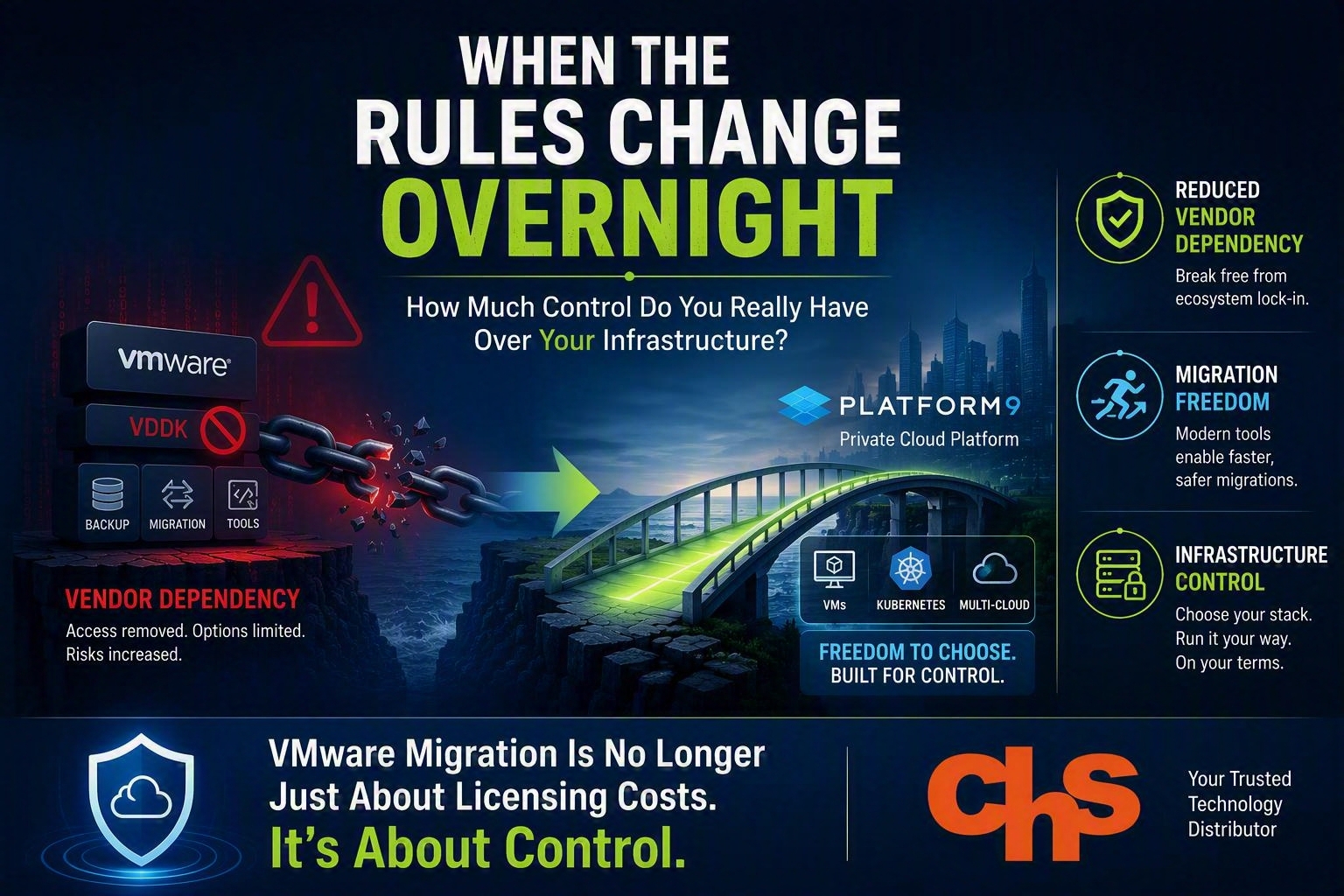
Why VMware's VDDK Restriction Signals a New Era of Vendor Lock-in
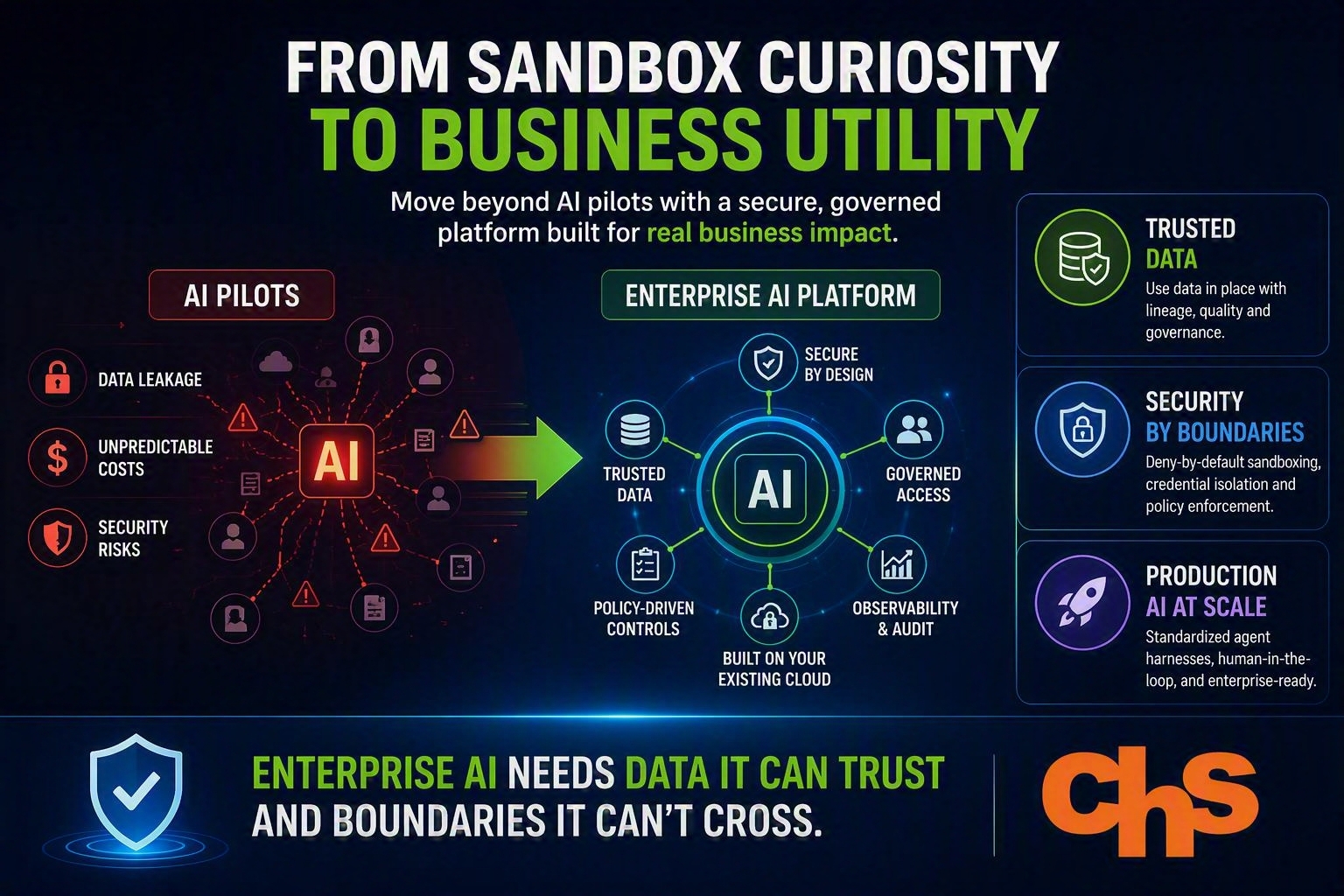
Moving Beyond AI Pilot Purgatory Requires Shifting from Ad-Hoc Experimentation to Hardened Platform Infrastructure
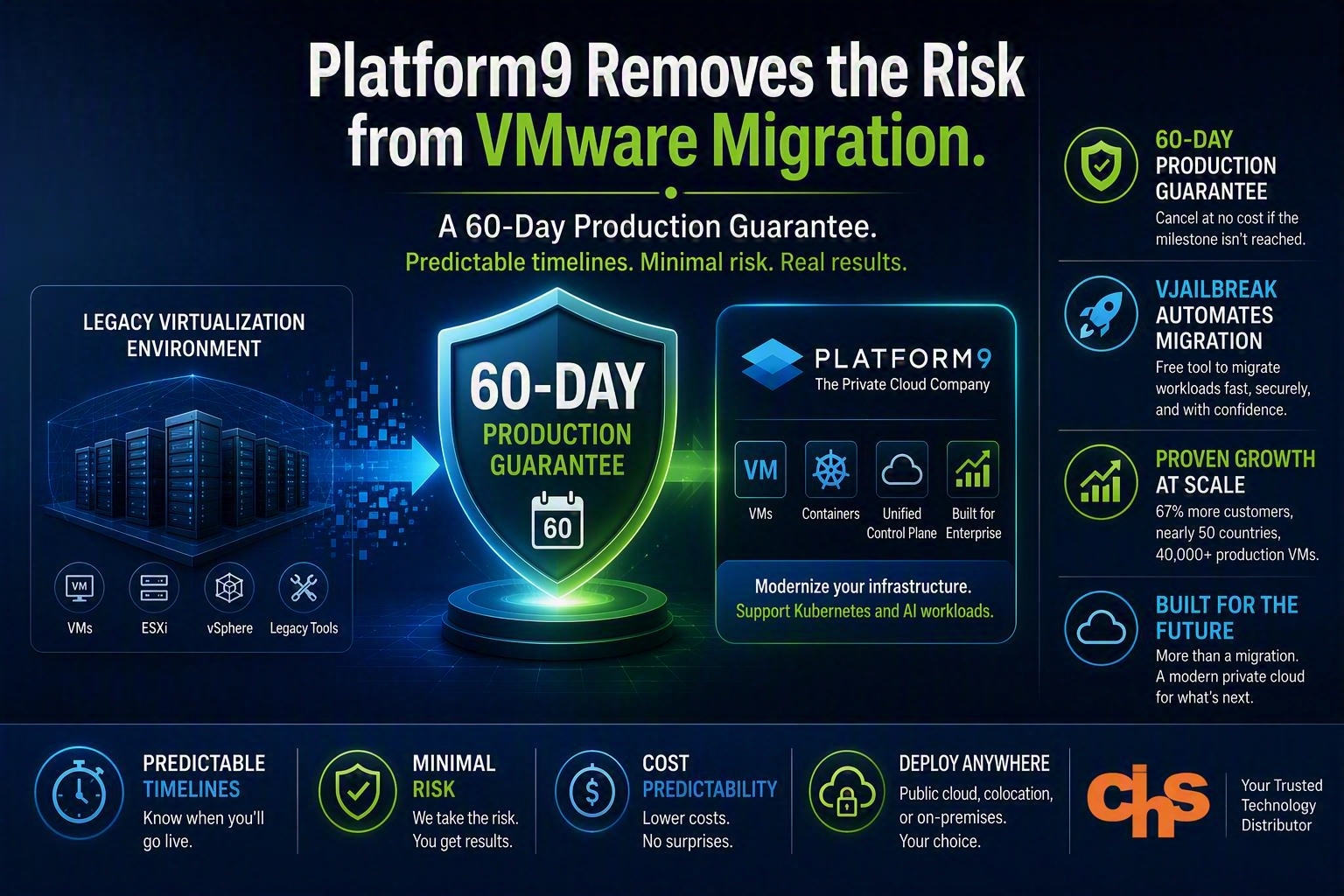
New guarantee helps organizations migrate from VMware with predictable timelines and minimal risk.
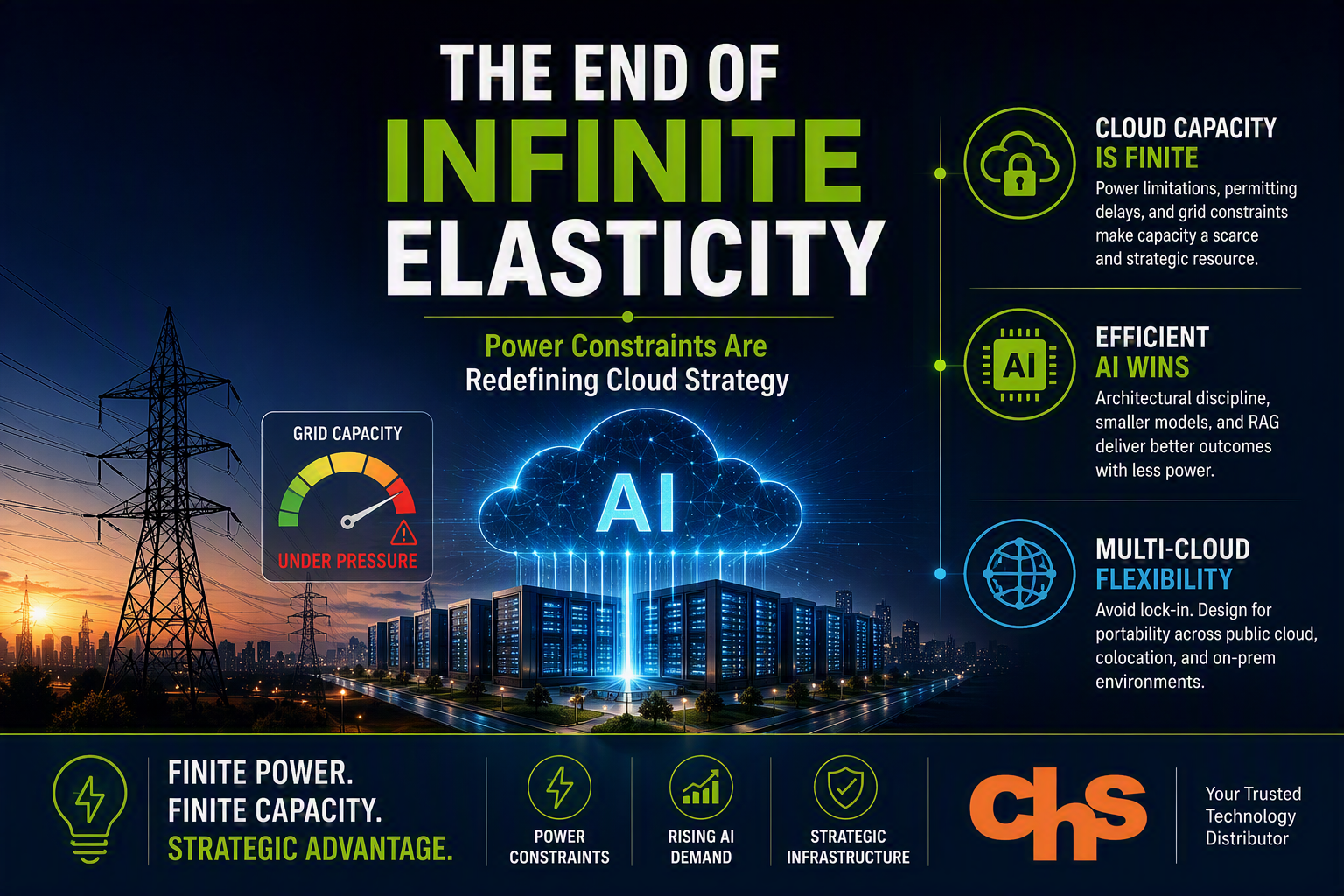
Why Power Constraints Are Redefining Enterprise Cloud Infrastructure Strategy
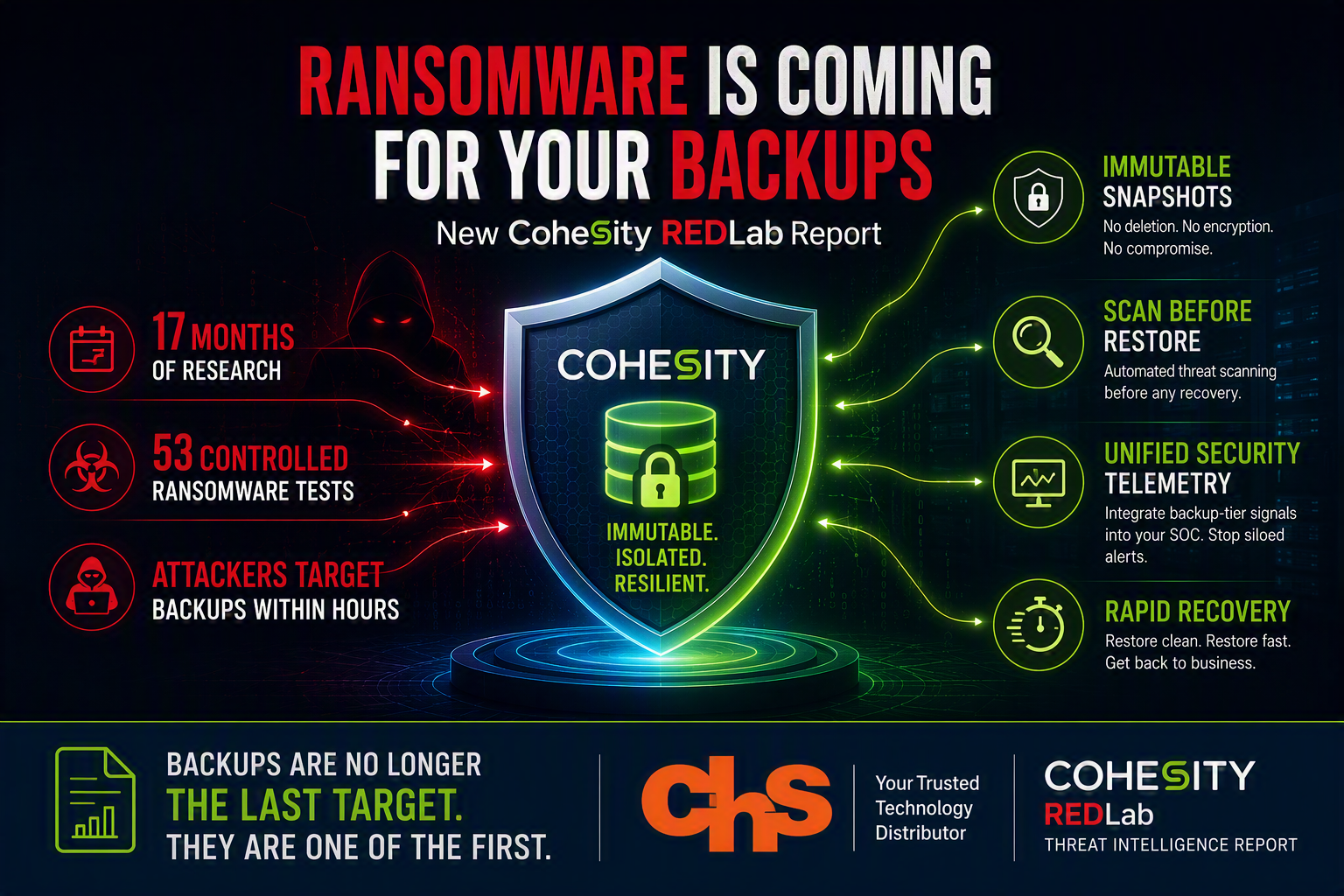
New Cohesity REDLab Report Reveals Backup Infrastructure is Now a Primary Target
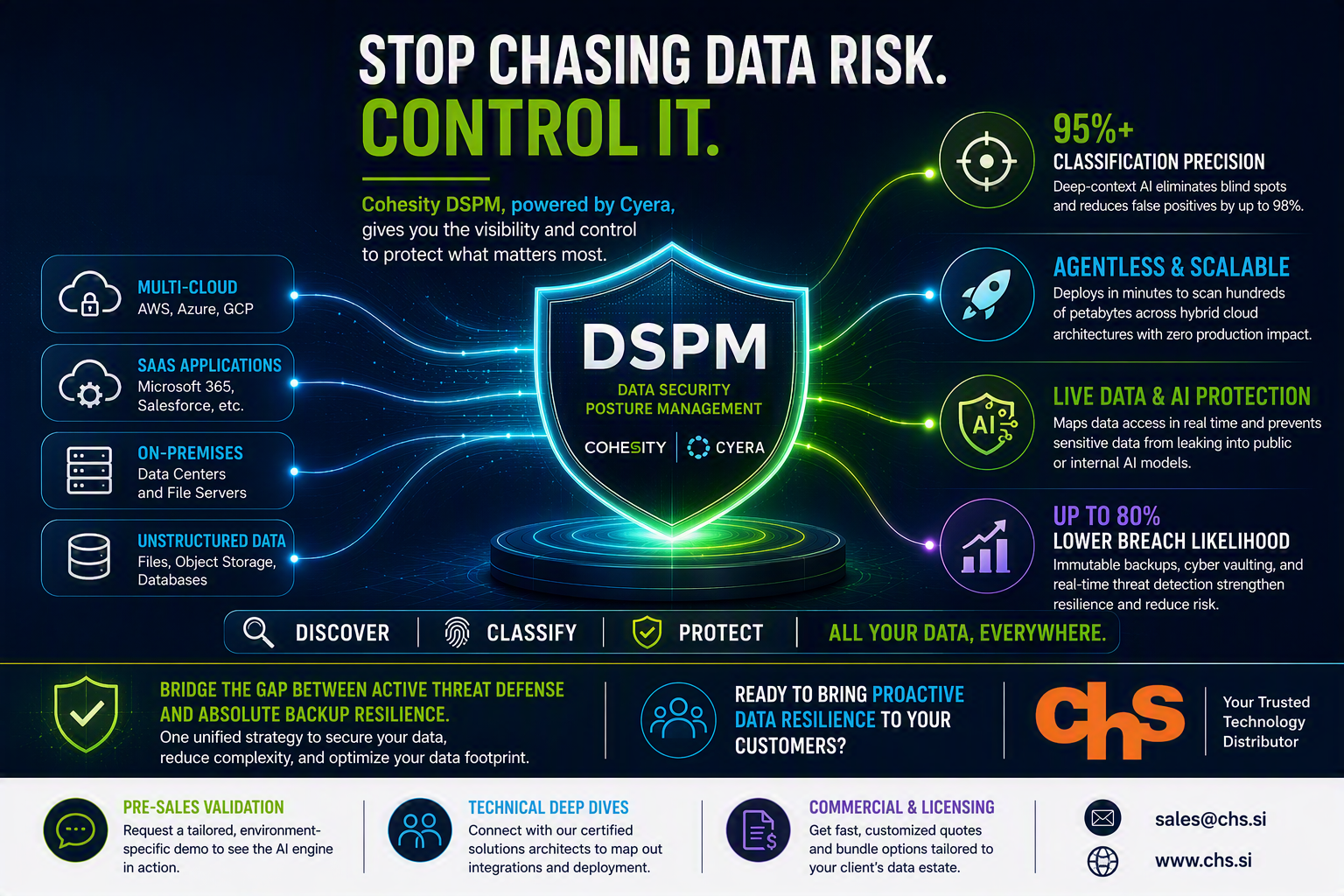
Most enterprises are flying blindly into the AI era. With sensitive data scattered across multiple clouds, SaaS applications, and on-premises systems, legacy tools simply cannot keep up with modern data sprawl.
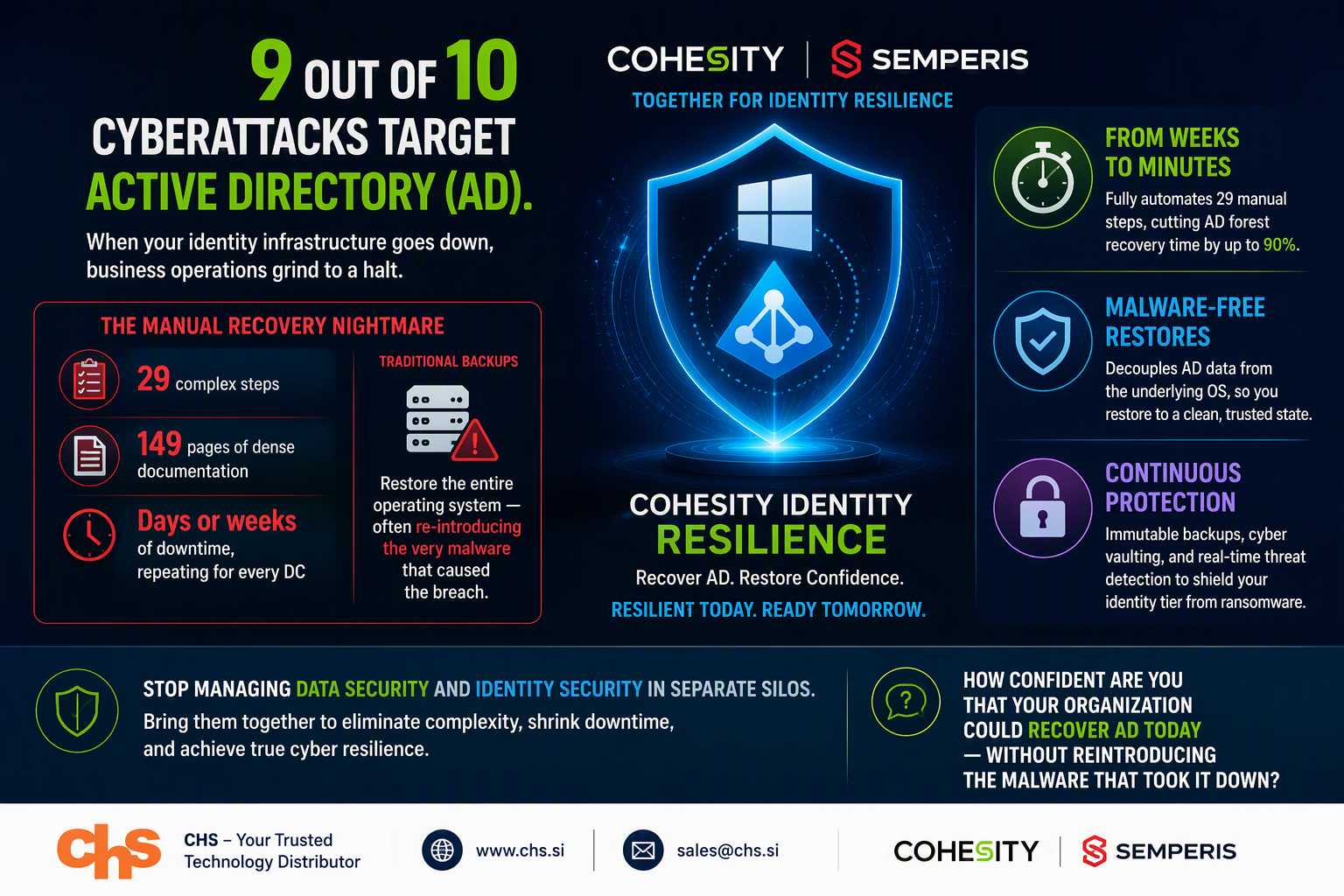
When your identity infrastructure goes down, business operations grind to an immediate halt.

VMware/Broadcom licensing costs keep climbing. IT budgets don't.
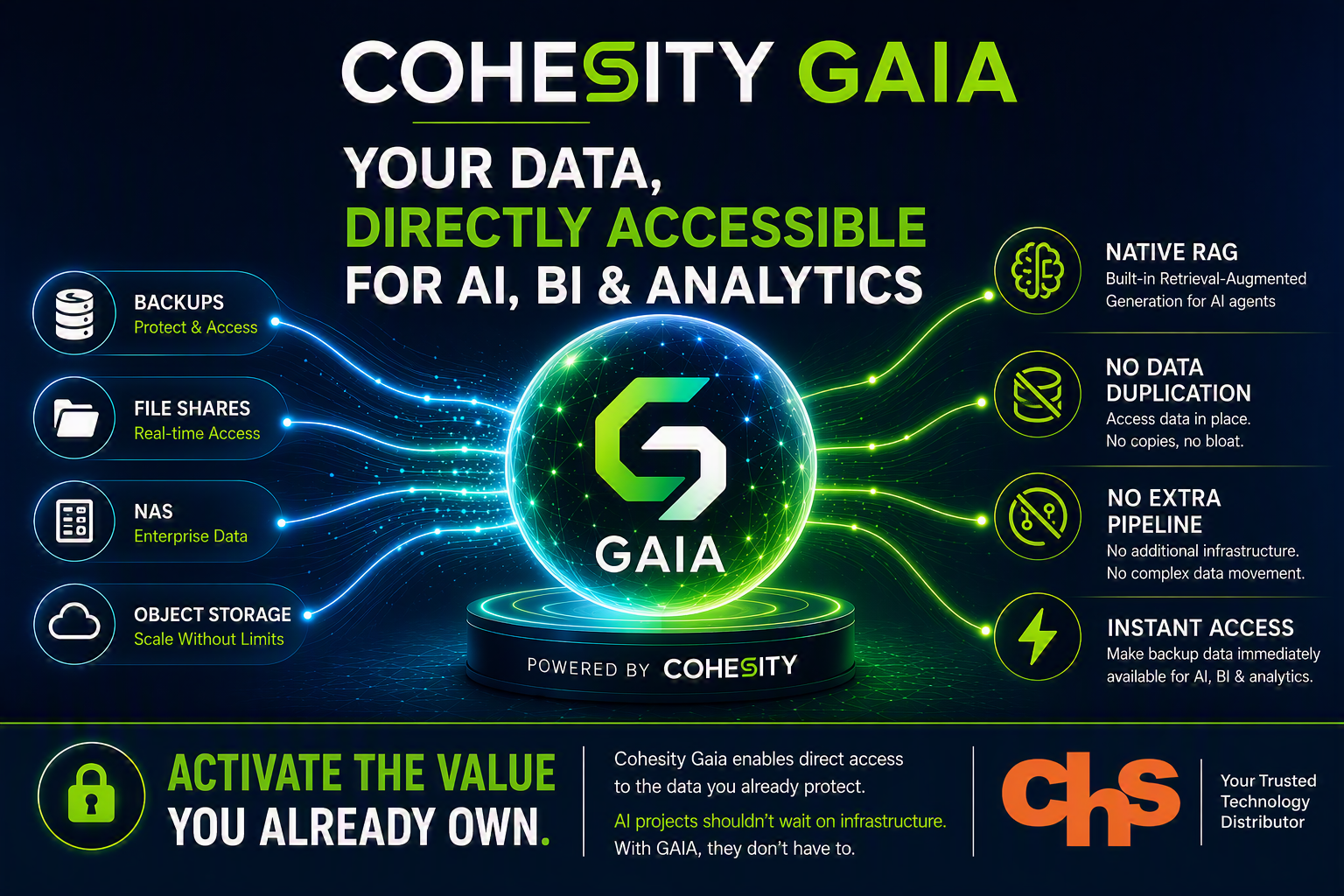
The biggest blocker in most AI and analytics projects isn't the model. It's the data - where it lives, how to reach it, and how long it takes to make it usable.